01 / VALUE CHAIN
Fleet & marine operations
Vessel ownership, chartering, ship management, fuel procurement and technical operations.
Shipping, ports, freight management and the movement of physical goods.
Global commerce relies on ports, vessels, storage, terminals, logistics technologies and connected inland networks. Maritime transport carries essential raw materials, food, energy products and finished goods across regions, making it central to the functioning of modern supply chains.
This is a capital-intensive and cyclical sector. Freight rates can rise sharply when shipping capacity tightens or routes are disrupted, yet that can be temporary. Profits are influenced by the balance between fleet supply and cargo demand, fuel and labor costs, financing, route efficiency, port access and contract structure.
Maritime earnings move with trade volumes, freight rates, fuel prices, fleet supply and port throughput. We look for operators that protect margins across cycles.
Follow the business activity from origination to commercial delivery, then assess who has pricing power and who bears the largest costs.
Vessel ownership, chartering, ship management, fuel procurement and technical operations.
Berths, cranes, container handling, warehousing, customs and inland intermodal access.
Freight forwarding, bookings, inventory coordination, visibility software and transport orchestration.
Trade depends on dependable movement. Noralle studies shipping services, port infrastructure and logistics technology through freight demand, vessel utilization, contract structures, operating efficiency and the resilience of global trade routes.
Explore all seven industries ↗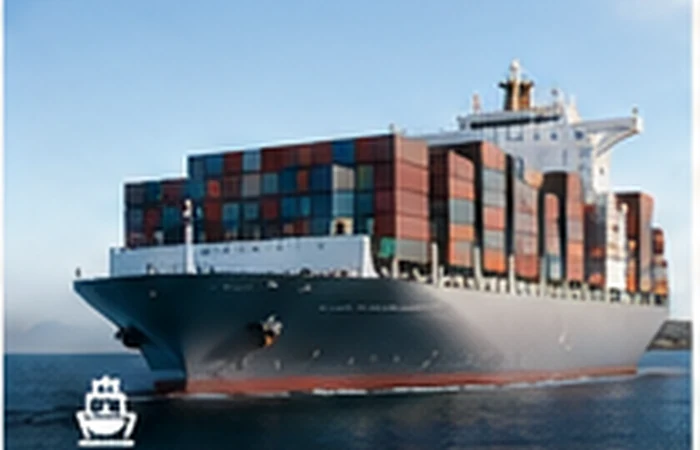
Profit is earned through disciplined decisions about pricing, capacity, financing, execution and long-term demand. Noralle evaluates maritime logistics & global trade through commercial fundamentals and repeatable operating performance—not market excitement alone.
Freight charges, time-charter payments, terminal handling fees, storage fees, forwarding services and long-term logistics contracts.
Utilization and freight rates drive earnings, but bunker fuel, charter costs, port fees, crewing, maintenance, debt and vessel replacement can quickly reverse favorable margins.
Freight rates and contracted coverage; vessel/terminal utilization; operating expense per unit; fuel efficiency; cash break-even rates; leverage; fleet age and free cash flow.
January 2026 NYU Stern / Damodaran U.S.-listed company profit-margin benchmarks add context to the profitability discussion. The company categories and accounting bases are identified below.
Noralle oversees £29.12bn in managed capital across its Maritime Logistics & Global Trade investment focus. We focus on global trade because ports, freight systems and supply-chain infrastructure connect producers, consumers and industrial economies. Our members are part of this journey through transparent communication, practical education and a shared long-term perspective.
This allocation forms part of Noralle’ £300 billion managed-capital base. We combine sector knowledge, commercial analysis, active oversight and open communication to pursue opportunities with long-term relevance.
Explore the full investment landscape ↗A corporation grows stronger when the people who place their trust in it are informed, respected and involved in its thinking.
Our members are more than names beside a balance. Their confidence, questions, ideas and long-term ambitions are part of the Noralle story. We share our sector perspectives in accessible language so members can understand what we study, why we allocate attention and how market change influences our judgment.
For our members, maritime trade is more than an abstract market chart. It is the supply chain connecting goods, businesses and communities, and we make those connections visible in the way we communicate.
We believe strong relationships are built through useful communication, measured expectations and a shared interest in the future of the industries shaping everyday life.
Research begins with fundamentals and competing explanations. Each potential business or asset requires evidence, a model that can be independently challenged, and sensitivity analysis.
Shipping can benefit from trade resilience and critical infrastructure, but buoyant freight rates do not necessarily mean lasting profitability. UNCTAD’s outlook illustrates why scenario analysis and leverage discipline matter.
Our outlook brings together market publications, sector research, company economics and established asset-management principles. Explore the primary references used to analyze this industry.